

Resources

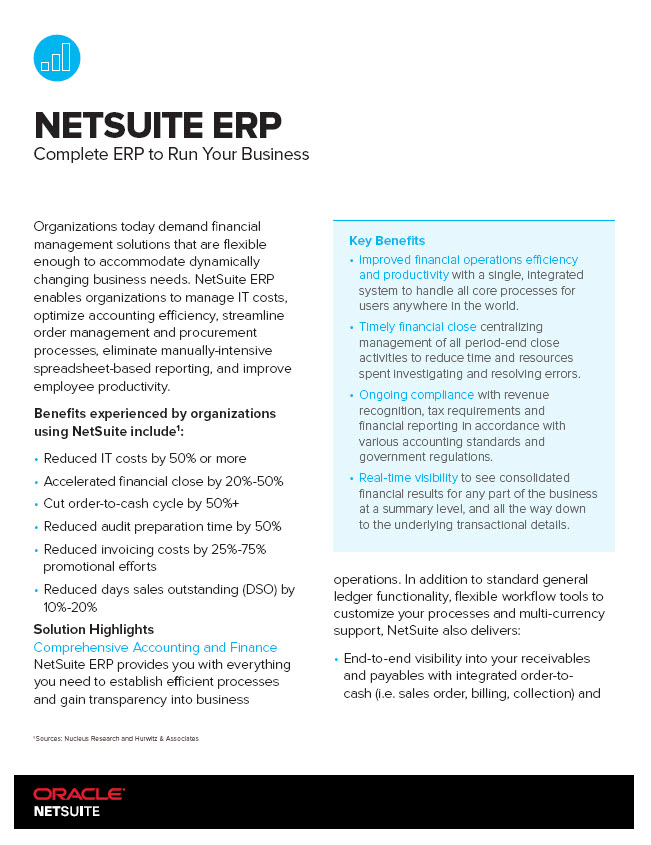
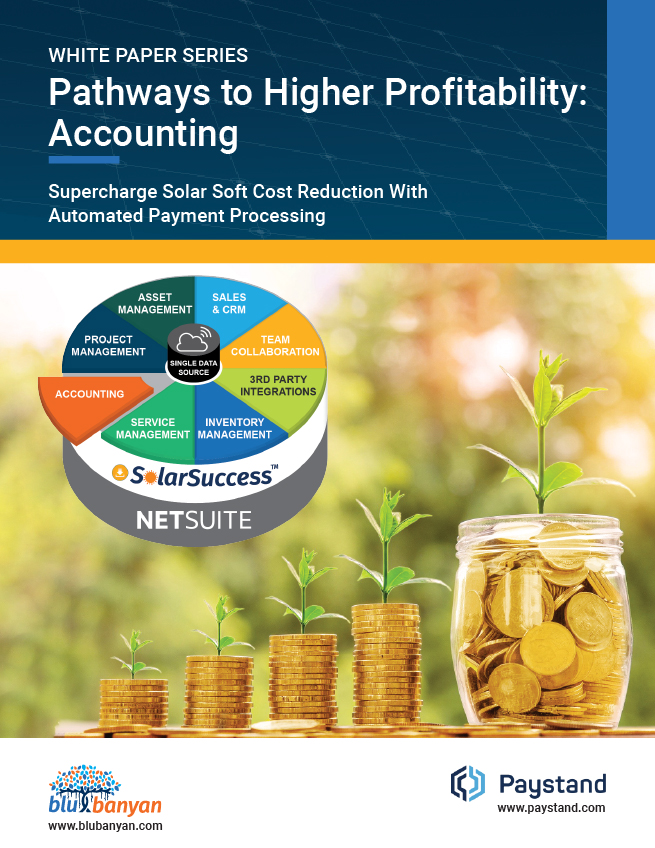
Access our free white papers, case studies, infographics, articles, datasheets,
and business management resources.

Skyline Smart Energy – 10 Question in 10 Minutes Interview

Hear from Kevin Burke, Chief Financial Officer at Skyline Smart Energy as he chats about their journey to success and more. He talks about the challenges they faced, looking for solutions and even on implementing a solar ERP and more. 

Discover how Skyline Smart Energy achieved:

  • Cost savings of 10% while sunsetting 4 legacy systems
  • 10 – 15% labor savings
  • A close process that went from 6 weeks to just 2 weeks

How Bestbettingph Explains Football Betting Basics to Filipino Beginners

Football betting in the Philippines has grown substantially over the past decade, driven by a combination of widespread football fandom, smartphone penetration, and the gradual formalization of online gambling regulations under the Philippine Amusement and Gaming Corporation, commonly known as PAGCOR. For many Filipinos, the interest in betting often starts with watching the Premier League, UEFA Champions League, or local Philippine Football League matches, but the jump from casual viewer to informed bettor involves understanding a set of concepts that are rarely explained clearly in one place. Most newcomers encounter odds formats they cannot interpret, market terminology that assumes prior knowledge, and staking decisions made without any logical framework. The result is that many first-time bettors lose money not because football is unpredictable, but because they did not understand what they were agreeing to when they placed a wager. This article walks through the foundational concepts of football betting as they apply specifically to Filipino beginners, drawing on the kind of structured, practical guidance that local resources have begun providing to address this knowledge gap.

Understanding Odds Formats and What They Actually Mean

The first barrier most Filipino beginners encounter is the odds display on a betting platform. Three formats are in common use internationally: decimal odds, fractional odds, and American moneyline odds. In the Philippines, decimal odds have become the dominant format on most licensed and offshore platforms, largely because they are the most intuitive for mathematical calculation. A decimal odd of 2.50 on a team winning means that for every Philippine Peso wagered, the bettor receives 2.50 pesos back if the bet wins — this total return includes the original stake. The profit, therefore, is 1.50 pesos per peso wagered. Fractional odds, still common on platforms with British heritage, express the same information differently: 3/2 means three units of profit for every two units staked, which is mathematically equivalent to a decimal of 2.50. American odds, expressed as positive or negative numbers like +150 or -200, are less frequently encountered in the Philippine market but appear on some international platforms.

What odds actually represent is implied probability — the bookmaker’s assessment of how likely a given outcome is, adjusted to include their margin. A decimal odd of 2.00 implies a 50% probability of occurrence. A decimal odd of 4.00 implies 25%. The formula is straightforward: implied probability equals one divided by the decimal odds, multiplied by 100 to express as a percentage. Where beginners make a critical error is in assuming that implied probability equals actual probability. Bookmakers build a margin — sometimes called the overround or vig — into their odds, which means the implied probabilities across all outcomes in a market will always sum to more than 100%. In a standard two-outcome market like a draw-no-bet wager, a bookmaker might price both sides at 1.90 rather than 2.00, which implies 52.6% probability for each side, totaling 105.2%. That 5.2% excess is the bookmaker’s theoretical profit margin. Filipino beginners who understand this concept immediately gain an advantage because they stop treating odds as face value and start evaluating whether the odds offered represent genuine value relative to their own assessment of probability.

In the Philippine context, it is also worth understanding that some platforms licensed under PAGCOR operate under different regulatory constraints than offshore platforms. PAGCOR issued its first online gaming license framework in 2016, and since then the number of licensed operators accessible to Filipino players has grown considerably. The odds offered by licensed domestic operators sometimes differ from offshore alternatives, and for beginners, understanding that these differences exist — and why — helps frame the entire betting environment more accurately.

Football Betting Markets Beyond the Match Winner

A significant portion of beginner confusion in football betting stems from the assumption that betting means picking who wins a match. In reality, the match winner — often called the 1X2 market, referencing home win, draw, and away win — is just one of dozens of available markets on any given fixture. Understanding the range of markets available, and the logic behind each, is essential before placing any real money wager.

The Asian Handicap market, which originated in Asia and has been widely adopted across global betting platforms, is particularly relevant for Filipino bettors because it appears prominently on most platforms popular in the region. Asian Handicap eliminates the draw as an outcome by applying a virtual head start or deficit to one team. For example, if Manchester City is given a -1.5 handicap against a lower-ranked opponent, City must win by two or more goals for a bet on them to succeed. If the opposing team is given +1.5, they can lose by one goal and the bet still wins. This market reduces the three possible outcomes of football to two, which statistically improves the bettor’s baseline probability of winning any individual bet, though the odds are adjusted accordingly to maintain the bookmaker’s margin.

Over/Under goal markets are another category that beginners often find more approachable than team-based markets because they remove the need to predict a winner. The most common line is 2.5 goals — a bet on Over 2.5 wins if three or more goals are scored in the match, regardless of which team scores them. Bookmakers set these lines based on statistical modeling of both teams’ recent form, head-to-head records, and contextual factors like whether a match has title or relegation implications. For beginners, focusing on Over/Under markets in leagues they follow closely — such as the English Premier League, which averaged approximately 2.85 goals per match during the 2022-23 season — can be a practical starting point because the data is widely available and easy to interpret.

Both Teams to Score, commonly abbreviated as BTTS, is another binary market that Filipino beginners frequently encounter. The bettor is simply predicting whether both teams will score at least one goal each. This market gained popularity because it pays out regardless of the final score or winner, making it feel less dependent on knowing which team is stronger. However, it carries its own analytical requirements — understanding defensive records, attacking form, and team motivation is just as important here as in any other market. Resources like the Bestbettingph site have published explanations of these market types specifically tailored to Filipino audiences, breaking down how each market is settled and what statistical factors are most relevant when evaluating them, which is a practical starting point for those building their analytical framework from scratch.

Correct Score markets, while offering attractive odds — sometimes exceeding 10.00 for common scorelines — are among the most difficult to bet profitably because the variance is extremely high. A bettor might correctly identify that a match will be low-scoring but still lose if the exact score is 1-0 rather than 0-0. Beginners are generally advised to understand how these markets work before engaging with them seriously, rather than being drawn in purely by the size of the potential return.

Bankroll Management and Staking: The Discipline That Separates Sustainable Bettors

Of all the concepts in football betting, bankroll management is the one most consistently ignored by beginners and most consistently emphasized by experienced bettors. A bankroll is simply the total amount of money a bettor has set aside specifically for betting — money that is genuinely disposable, meaning its loss would not affect living expenses, savings goals, or financial obligations. Establishing a separate bankroll is not merely a psychological exercise; it is a functional tool for measuring performance and making rational staking decisions.

The most widely discussed staking method among recreational bettors is flat staking, which involves wagering the same fixed amount on every bet regardless of confidence level or odds. If a bettor’s bankroll is 5,000 pesos and they use a flat stake of 2% per bet, each wager is 100 pesos. This approach has the advantage of simplicity and prevents the common beginner mistake of increasing stakes after losses in an attempt to recover quickly — a behavior known in behavioral finance as loss chasing, which the gambling research literature consistently identifies as one of the primary drivers of problem gambling escalation. A 2018 study published in the Journal of Gambling Studies found that loss chasing was present in approximately 60% of problem gamblers surveyed, compared to significantly lower rates among recreational gamblers who maintained structured staking plans.

The Kelly Criterion is a more mathematically sophisticated staking method that calculates an optimal bet size based on the bettor’s estimated edge over the bookmaker. The formula requires the bettor to assign their own probability to an outcome and compare it to the implied probability in the odds. If the bettor believes a team has a 55% chance of winning and the bookmaker’s odds imply only 50%, there is a perceived edge, and the Kelly formula calculates what fraction of the bankroll should be staked to maximize long-term growth. In practice, most bettors use a fractional Kelly approach — staking a quarter or half of the full Kelly recommendation — because the full Kelly can produce very large swings that are psychologically difficult to sustain. For Filipino beginners, the Kelly Criterion is worth understanding conceptually even if flat staking is used in practice, because it reinforces the principle that bet size should be related to confidence and edge, not to emotional state or the desire to win back losses.

Record keeping is the practical companion to bankroll management that most beginners neglect. Maintaining a simple log of every bet placed — including the market, the odds, the stake, the result, and a brief note on the reasoning — allows a bettor to review their performance over time and identify patterns. A bettor might discover that they perform well on Over/Under markets in the Premier League but poorly on Asian Handicap bets in the La Liga, which would be actionable information for adjusting their betting strategy. Without records, this kind of analysis is impossible, and the bettor is left relying on memory, which is notoriously unreliable when it comes to gambling outcomes due to the psychological tendency to remember wins more vividly than losses.

The Regulatory Environment and Responsible Betting in the Philippines

Understanding the legal framework within which Philippine bettors operate is not merely a compliance matter — it directly affects which platforms are accessible, what consumer protections are available, and how disputes are resolved. PAGCOR is the primary regulatory authority for gambling in the Philippines, operating under Presidential Decree No. 1869, which was consolidated and amended over subsequent decades. Online betting on sports became more formally addressed in the mid-2010s, and by 2021, PAGCOR had issued licenses to a number of online sports betting operators that could legally accept Filipino players.

The existence of offshore platforms — those licensed in jurisdictions like Malta, Gibraltar, Curaçao, or the Isle of Man — complicates the picture for Filipino bettors. Many offshore platforms accept Filipino players without holding a PAGCOR license, operating in a legal gray area that has been the subject of ongoing regulatory discussion. The practical implication for beginners is that using a licensed, regulated platform provides recourse in the event of a dispute, while unlicensed platforms offer no such protection. Bestbettingph, as a local information resource, has addressed this distinction in its coverage of the Philippine betting market, helping beginners understand what questions to ask before depositing money on any platform.

Responsible gambling provisions have become increasingly standardized among licensed operators in the Philippines. These include deposit limits, which allow bettors to cap how much they can deposit over a given period; self-exclusion tools, which allow a bettor to voluntarily block themselves from a platform for a defined period; and reality check notifications, which prompt bettors to review how long they have been active in a session. The Philippine government has also maintained the national problem gambling helpline, and PAGCOR has been involved in funding research into gambling harm since at least 2019. For beginners, awareness of these tools is important not because problem gambling is an inevitable outcome of betting, but because having a clear understanding of the available safeguards is part of approaching betting as an informed participant rather than a passive consumer.

The taxation of gambling winnings in the Philippines is another area where beginners benefit from basic knowledge. Under the National Internal Revenue Code and related Bureau of Internal Revenue guidance, winnings from games of chance — which includes sports betting — are generally subject to a 20% final withholding tax when they exceed certain thresholds and are received from licensed domestic operators. The practical application of this rule varies depending on the platform and the nature of the winnings, and the BIR has issued periodic clarifications on how online betting winnings should be treated. Beginners who are placing small recreational bets are unlikely to encounter this as an immediate issue, but those who progress to higher-volume betting should be aware that winnings are not automatically tax-free simply because they occur online.

Football betting in the Philippines will continue to grow as internet infrastructure improves, as more matches become accessible through streaming services, and as the regulatory framework matures. For beginners entering this environment, the difference between an informed approach and an uninformed one is significant — not in terms of guaranteeing profit, which no honest resource would claim, but in terms of understanding what is actually happening when odds are displayed, what markets are being offered, and what decisions are within the bettor’s control. The foundational concepts covered here — odds interpretation, market variety, bankroll management, and regulatory awareness — are the building blocks of that informed approach, and they are accessible to anyone willing to invest the time to understand them before placing their first wager.

resource

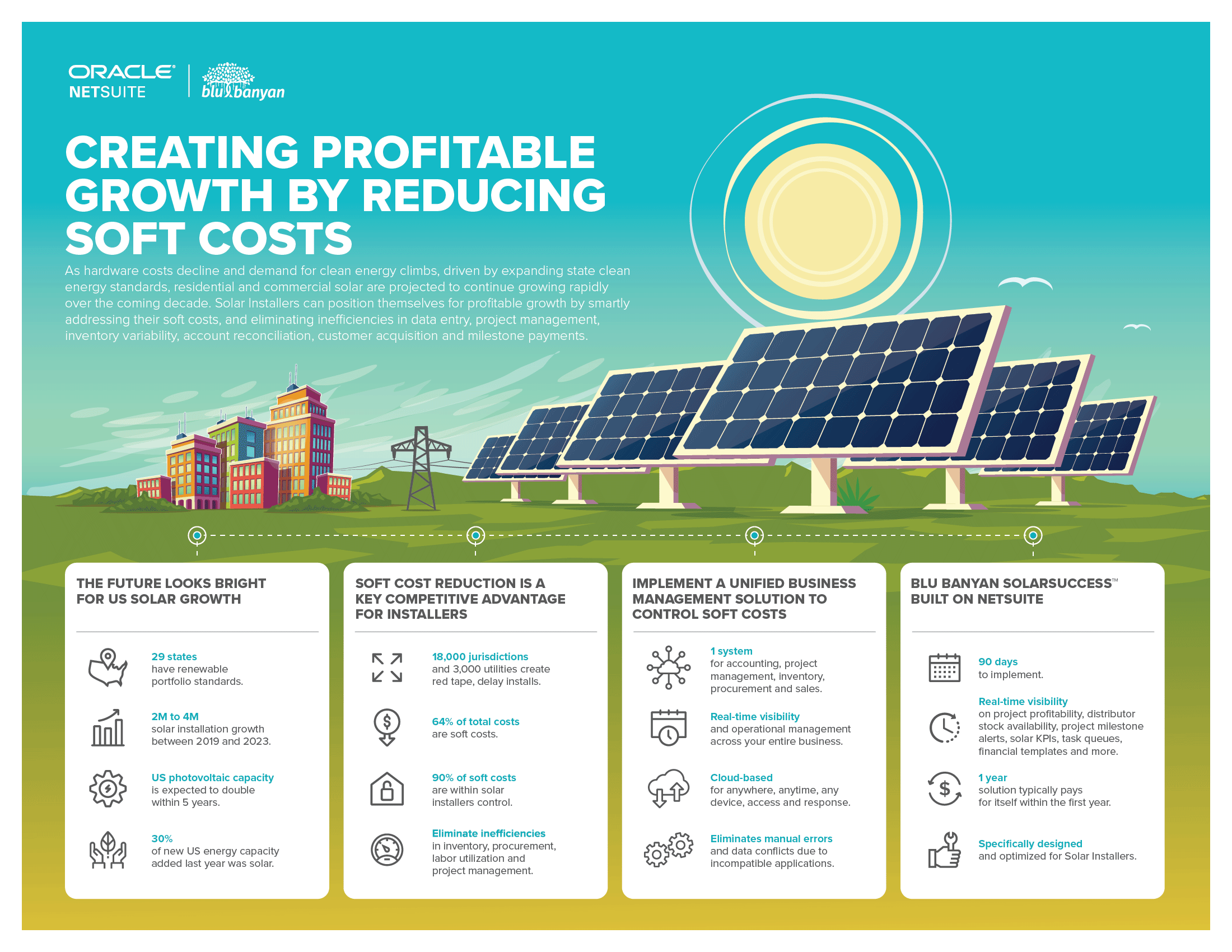
Solar Installers can improve productivity and profitability using an end-to-end solution specifically optimized for their business.

Blu Banyan Case Study - Independent Solar

Independent Solar

WATCH THE CASE STUDY »

Blu Banyan Case Study - Onpoint Solar

OnPoint Solar

WATCH THE CASE STUDY »

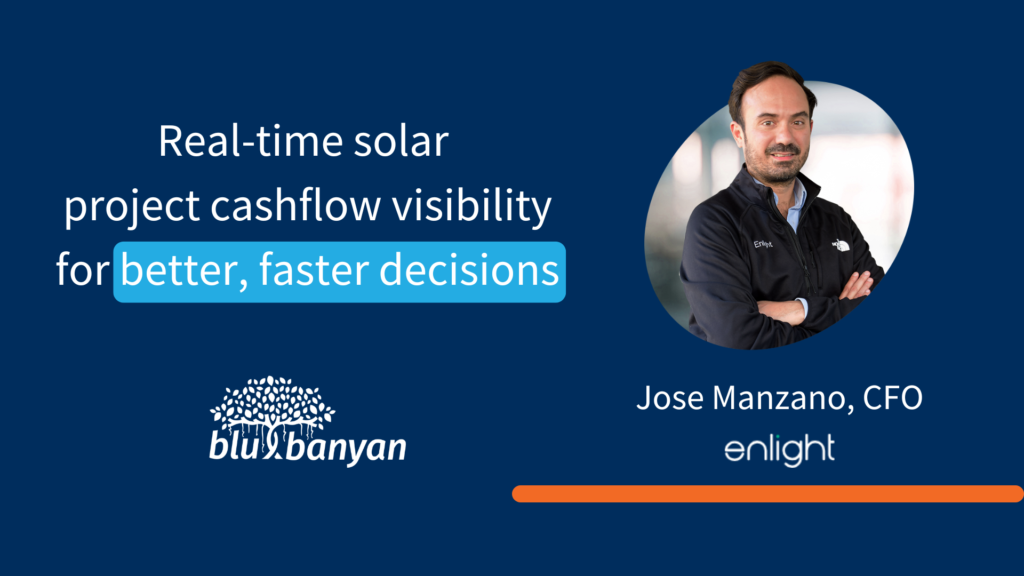
Blu Banyan - Enlight Case Study Thumbnail

Enlight Energy

WATCH THE CASE STUDY »

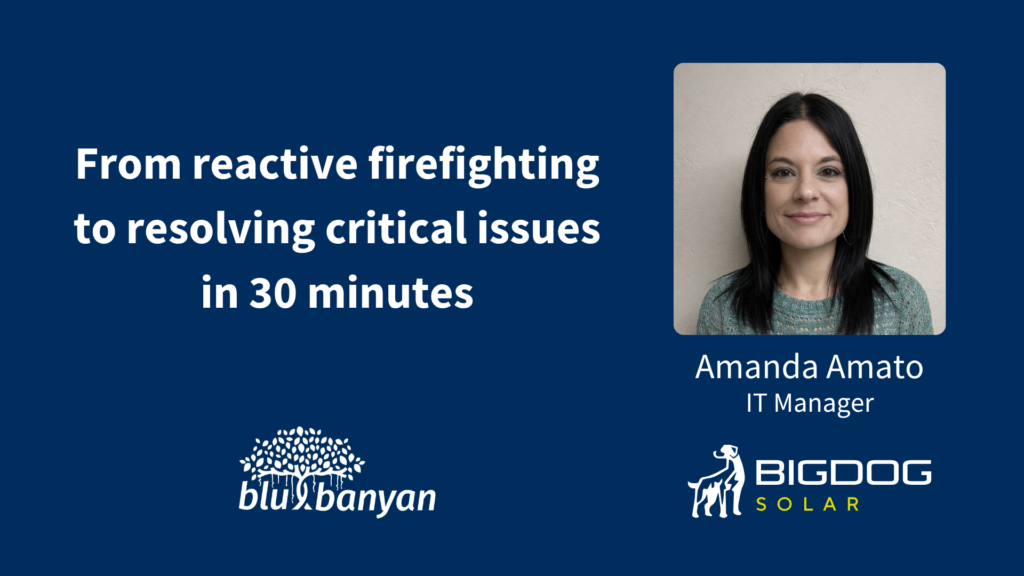
BB Case Study - Big Dog Solar

Big Dog Solar

WATCH THE CASE STUDY »

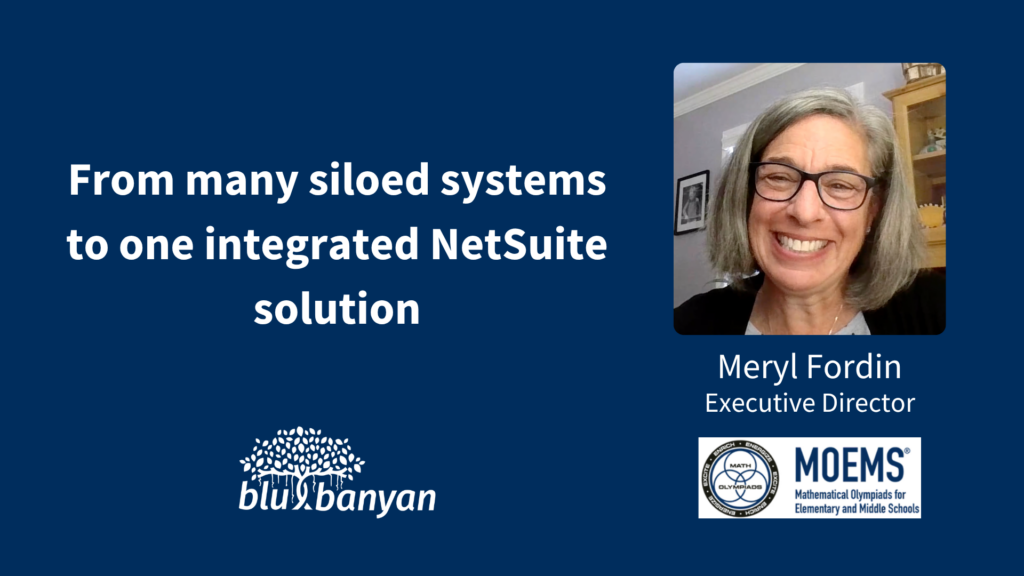
BB Case Study - Math Olympiad

Math Olympiads

WATCH THE CASE STUDY »