
Best Practices for Managing Audit Trails in ERP
If your ERP audit trail has gaps, you may not be able to prove what happened. And that can turn


If your ERP audit trail has gaps, you may not be able to prove what happened. And that can turn
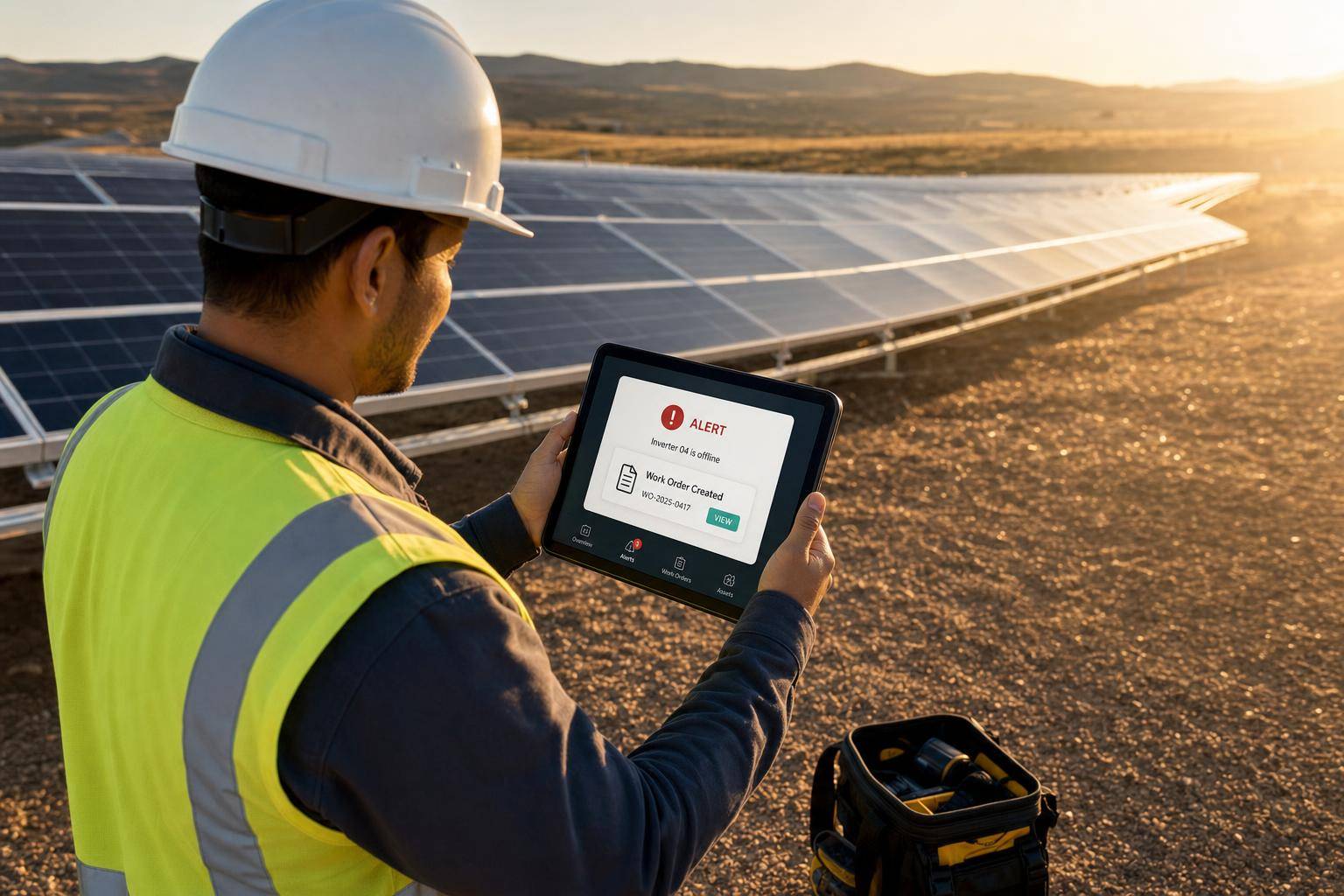
If your solar team waits for someone to check a dashboard, you can lose revenue for hours or days. I’d
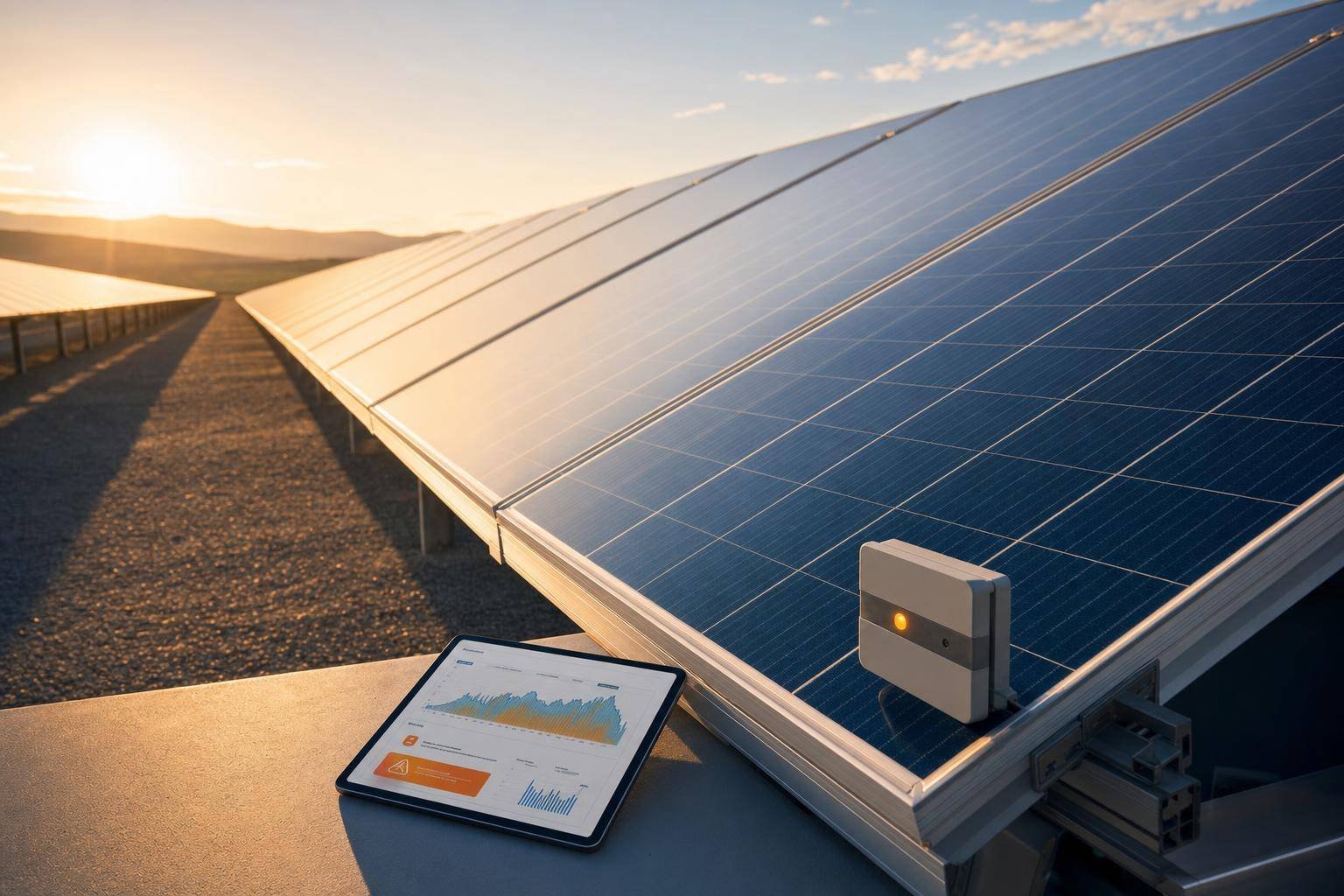
If I wait for solar equipment to fail, I lose energy, time, and money. A predictive maintenance program helps me

If I had to sum it up in one line: solar firms cut cost and emissions fastest when they fix
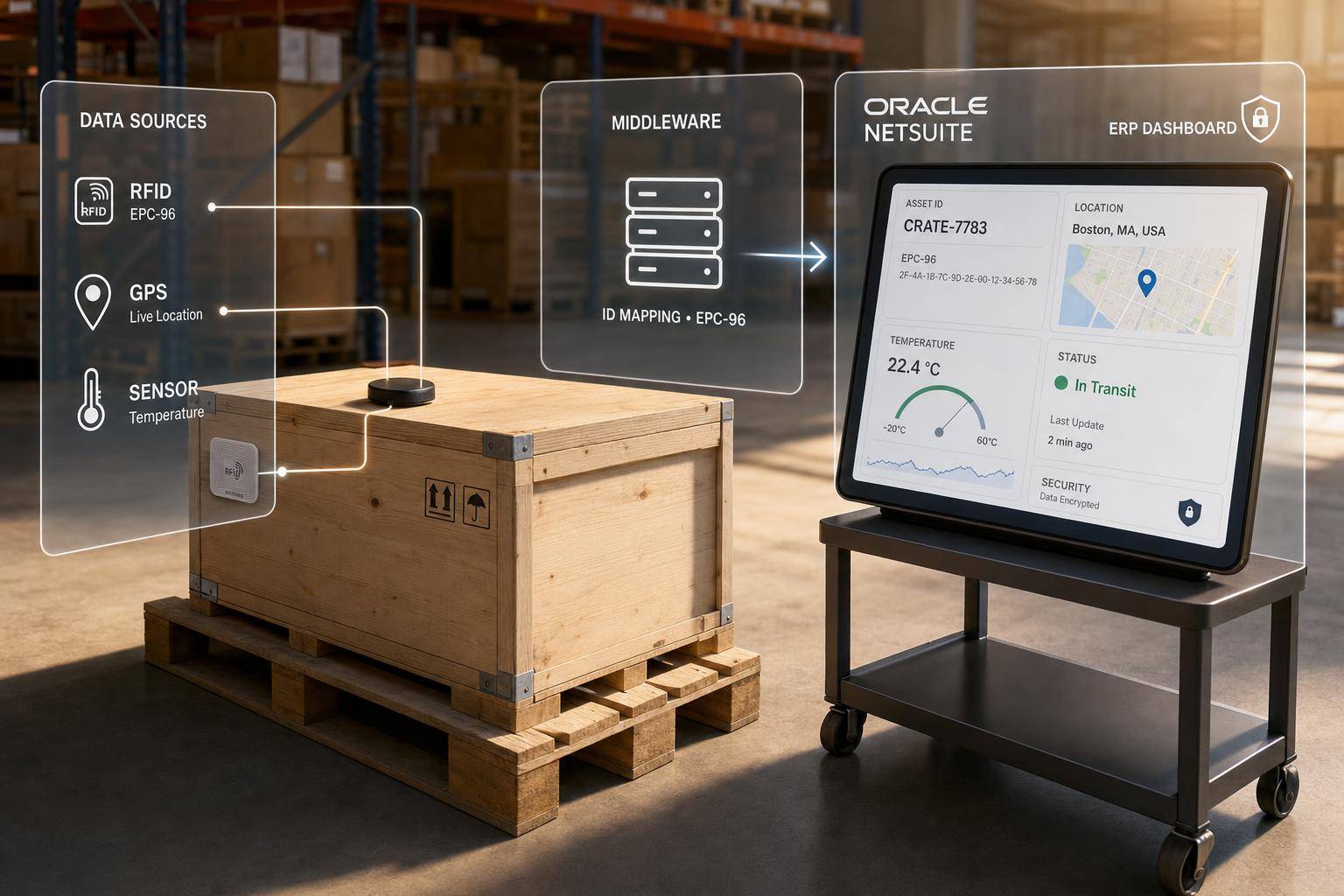
If your asset data depends on people typing updates, your records will drift. I’d set up NetSuite so GPS devices,

Energy storage systems are transforming the residential solar market, but soft costs – like labor, permitting, and project management –
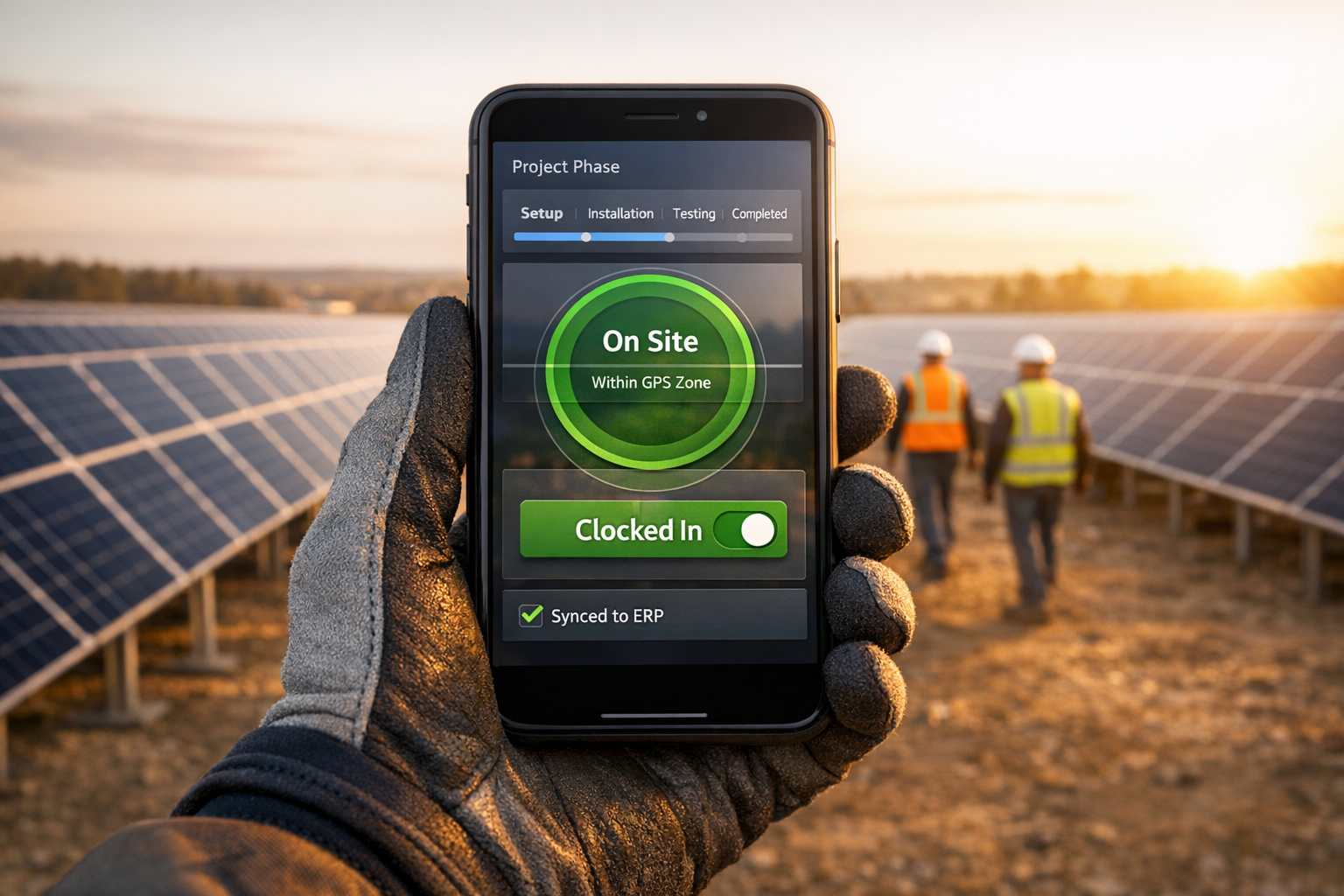
Managing solar projects efficiently requires precise labor tracking. Mobile timekeeping replaces error-prone paper timesheets with real-time tracking through smartphones or
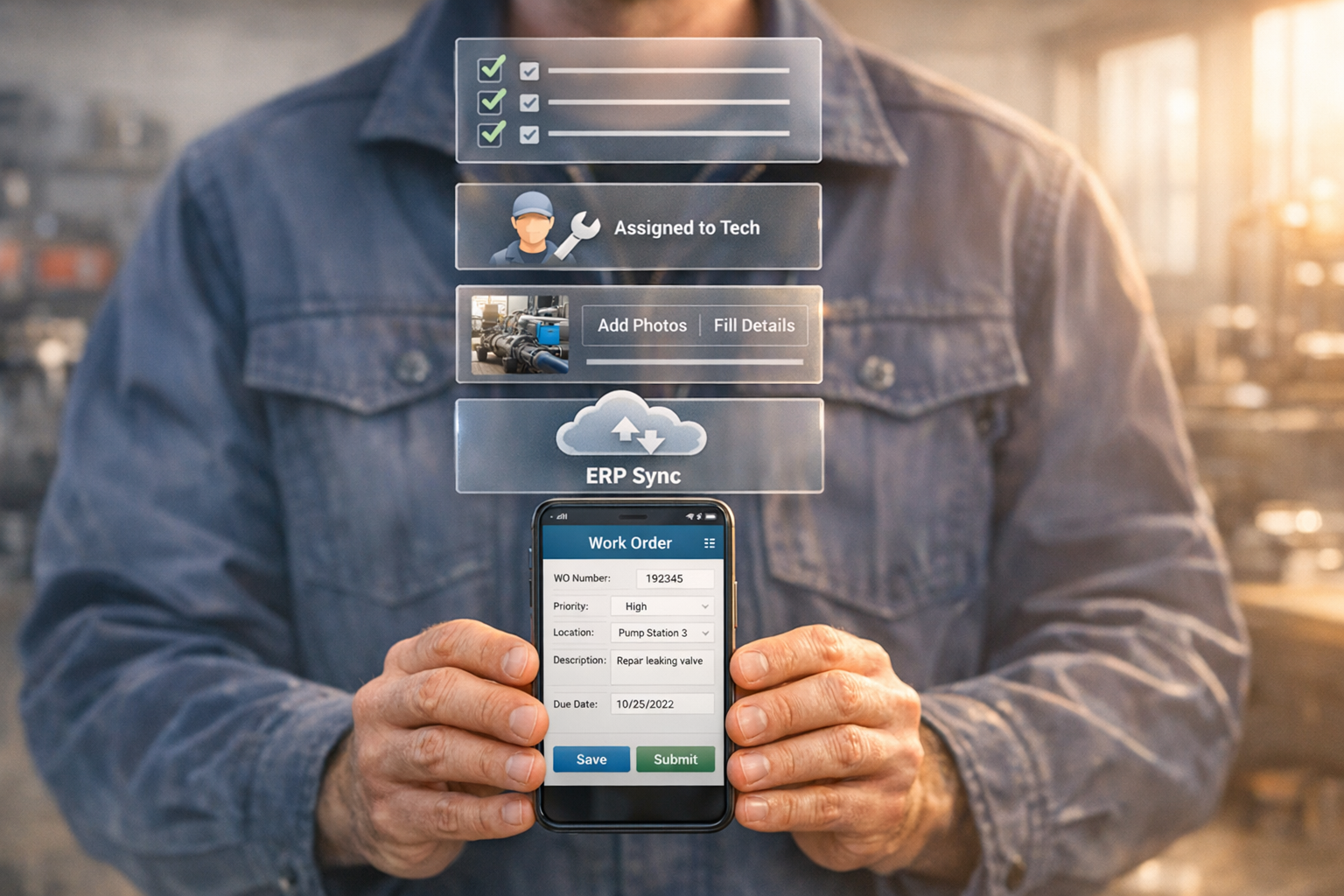
Mobile work orders simplify field service operations by replacing paper forms with digital tools, ensuring accurate communication between teams. In

AI is reshaping solar monitoring by improving how solar systems are maintained and optimized. It uses advanced tools like machine
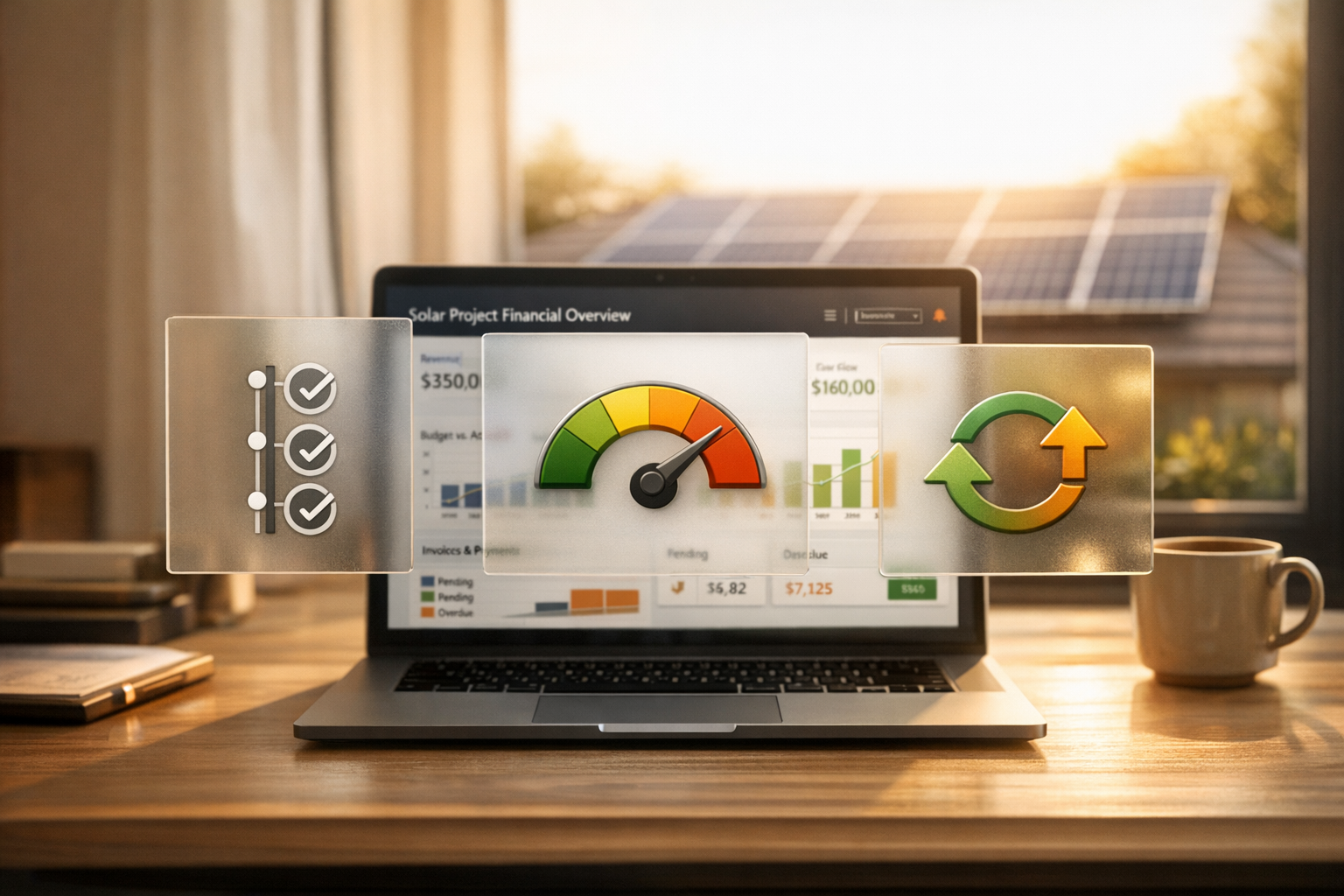
Managing cash flow is a big challenge for U.S. solar companies. High upfront costs, project delays, and milestone-based billing often